Zohran Mamdani is making one thing clear: if Albany doesn’t open the checkbook, New York City homeowners will.
The progressive mayoral hopeful has detailed plans to raise additional revenue for his expansive social agenda, warning that if Governor Kathy Hochul fails to deliver more state funds, the city will need to look inward — and that likely means higher taxes on property owners.
For families already struggling under crushing mortgage payments, rising utility costs, and some of the highest property taxes in the country, the message is hard to ignore. Instead of focusing on cutting waste, restoring public safety, or creating a business climate that attracts investment, Mamdani is signaling that taxpayers will once again be asked to foot the bill.
His proposals align with a broader far-left vision for New York City: expanded public programs, increased government intervention, and redistribution policies designed to reshape the city’s economic structure. Supporters argue the measures are necessary to fund housing initiatives and social services. Critics see something very different — a deepening commitment to policies that have already driven residents and businesses out of the state in record numbers.
New York has spent years watching middle-class families flee to lower-tax states. Property owners, in particular, have shouldered an outsized burden as the city struggles with budget gaps and growing demands for public spending. Raising taxes again could further strain neighborhoods already grappling with affordability and quality-of-life concerns.
The tension between City Hall hopefuls and Albany leadership highlights a larger problem: a government ecosystem addicted to spending. Rather than prioritizing fiscal discipline or economic growth, progressive leaders continue to search for new revenue streams — often targeting those who have invested in homes and communities.
At its core, the debate is about more than a single tax proposal. It’s about the direction of New York City itself. Will it double down on big-government policies that risk driving out productive residents? Or will it return to principles that reward work, protect property rights, and encourage economic vitality?
For homeowners watching closely, the stakes couldn’t be clearer. When politicians promise sweeping new programs without a serious plan for sustainable funding, history shows who ends up paying.
Mamdani Threatens NYC Homeowners With New Taxes to Fund Expanding Socialist Agenda
- by:
- 02/18/2026
- Source:
The Post Millennial

- 02/18/2026
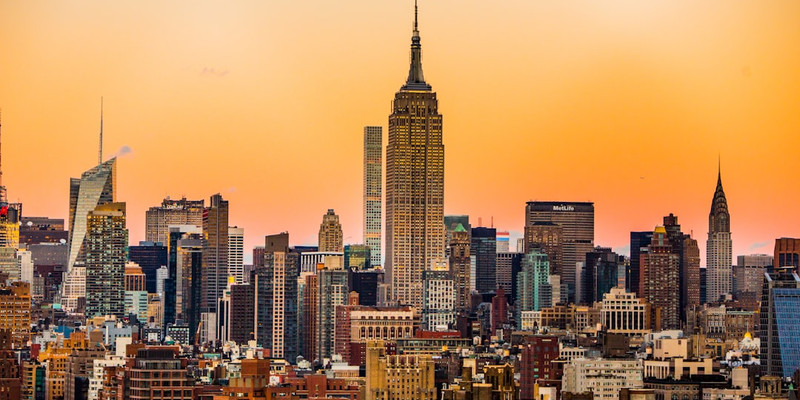
This was taken from the roof of 375 Hudson in the West Village looking up toward Midtown on a cold January evening just after sunset. by Michael Discenza is licensed under Unsplash unsplash.com
