The Strait of Hormuz reopened Friday, marking a major development in the ongoing confrontation involving Iran, the United States, and the wider Middle East.
Iran had shut down the key waterway near the start of Operation Epic Fury on February 28, disrupting commercial shipping and sending oil and gas prices higher. Because the strait serves as one of the world’s most important energy corridors, the closure quickly rattled global markets and raised concerns here at home about fuel costs for American families and businesses.
On Friday, Iranian officials announced that the strait was once again open to all commercial vessels. Tehran tied the move to the ceasefire in Lebanon involving Israel, saying passage would remain available during the ceasefire period along a previously coordinated route.
President Donald Trump also confirmed the reopening, saying Iran had announced the waterway was fully open and ready for normal passage.
Markets reacted immediately. Crude oil fell more than 10% Friday morning to a little over $81 a barrel. That was a sharp drop from the recent high of $112 a barrel reached on April 6, showing just how heavily global markets had been weighing the threat of prolonged disruption.
Still, the reopening does not mean the crisis is over.
The ceasefire between the United States and Iran remains under pressure, and Trump has continued to signal that negotiations may be moving forward. He has stressed that any final deal must include a firm Iranian commitment not to develop nuclear weapons, a point that remains central to American national security.
Trump also suggested talks could resume in Pakistan over the weekend after Vice President JD Vance came away without a deal last weekend. While the White House has not formally announced a second round of talks, the president has said he has remained in direct contact with Iranian officials.
At the same time, Trump is not backing off the pressure campaign. Earlier this week, he announced a total blockade of Iranian ports as part of a broader effort to economically squeeze the regime. On Friday, he reaffirmed that the blockade will stay in place until a final transaction with Iran is fully completed.
He also said the process could move quickly because most of the major points have already been negotiated.
For now, the reopening of the Strait of Hormuz is a welcome step toward stability, especially for consumers already burdened by high costs. But the larger message from the Trump administration is unmistakable: peace through strength still guides American policy, and Iran will not be allowed to use chaos, nuclear ambition, or regional intimidation to gain the upper hand.
Strait of Hormuz Reopens as Trump Keeps Pressure on Iran
- by:
- 04.17.2026
- Source:
fafodispatch.com

- 04/17/2026
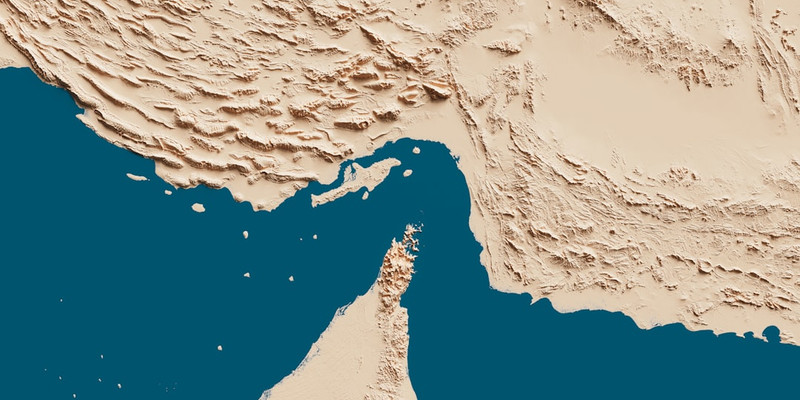
Strait of Hormuz - youtube.com/@planetvolumes by Planet Volumes is licensed under Unsplash unsplash.com
