After years of economic uncertainty, the United States appears poised for a strong year in 2026 — and a significant part of that strength stems directly from pro‑growth fiscal policy championed by President Donald Trump.
Economists and market analysts are increasingly pointing to the tailwinds from Trump’s tax cuts and deregulation agenda as catalysts for economic expansion in the months ahead. According to multiple economic outlook reports, the tax reforms embedded in the so‑called One Big Beautiful Bill are expected to put more money back into the pockets of American workers and businesses, stimulating consumer spending, boosting investment, and strengthening the overall economic foundation.
Unlike the stimulus and bailout‑style policies of the past, the tax changes signed into law in 2025 are designed to permanently lower individual and business tax rates, expand deductions, and create incentives for capital investment. These reforms extend and solidify many benefits from the 2017 Tax Cuts and Jobs Act, making the reductions permanent and adaptive to the economic environment of 2026.
Experts say these tax cuts will have a two‑fold effect:
Boosting Disposable Income: By reducing withholding levels and increasing refundable credits, many American families will see larger paychecks and higher tax refunds at the start of the year — a direct shot in the arm for consumer confidence.
Fueling Business Investment: Corporate incentives and lower business tax burdens increase the ability of companies to invest in equipment, expansion, and hiring — all essential drivers of economic growth.
While global economic headwinds, technological disruption, and inflationary pressures continue to present risks, the conservative economic playbook of tax relief and deregulation remains one of the most potent tools for stimulating a durable, domestic‑led recovery. Experts argue that lower rates for businesses translate directly into expanded hiring and innovation — the very elements that make America’s economy competitive on the world stage.
This positive forecast is further supported by projections that the Federal Reserve may implement interest‑rate cuts in 2026, providing additional liquidity and easing financial conditions for consumers and businesses alike. Combined with a dynamic wave of innovation — particularly in sectors like artificial intelligence, manufacturing, and energy — the economic picture looks considerably brighter than it has in years.
Of course, not all economists agree unanimously, and some caution that tariffs and lingering inflation could temper growth. But even with those headwinds, projections suggest a stronger, more resilient economy that continues to reward productivity, entrepreneurship, and free‑market principles.
From Wall Street to Main Street, business owners and investors see the tax‑cut tailwinds as a welcome change from the stagnation and over‑regulation that plagued the economy in earlier years. Financial markets have reflected this optimism, with major indices showing strong early performance as 2026 gets under way — a signal that confidence is returning to corporate America.
For everyday Americans, that may translate into better job prospects, higher take‑home pay, and more opportunities for small businesses and startups. Conservatives argue that the best way to create wealth and opportunity isn’t through government handouts, but by empowering individuals and entrepreneurs with lower taxes, fewer burdensome regulations, and a clearer path to success.
So as the year unfolds, one thing is becoming clear: the U.S. economy is no longer drifting — it’s starting to climb again, thanks in large part to policies that put American workers and businesses first.
Tax Cuts, Deregulation and Innovation Poised to Propel the U.S. Economy in 2026
- by:
- 12.31.2025
- Source:
fafodispatch.com

- 01/08/2026
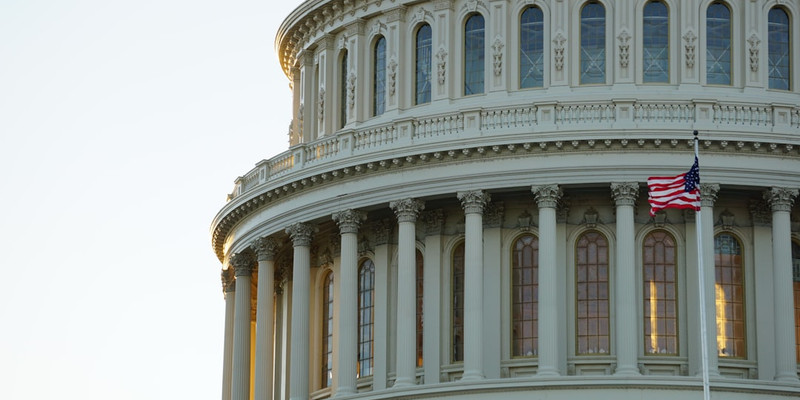
The dome of the United States Capitol Building in Washington, DC. by Ian Hutchinson is licensed under Unsplash unsplash.com
