ActBlue Defies Congressional Subpoenas; Contempt Now on the Table for Democratic Fundraising Giant
- by: Cole Ryder
- 06.23.2026
- Source:
fafodispatch.com

- 06/23/2026
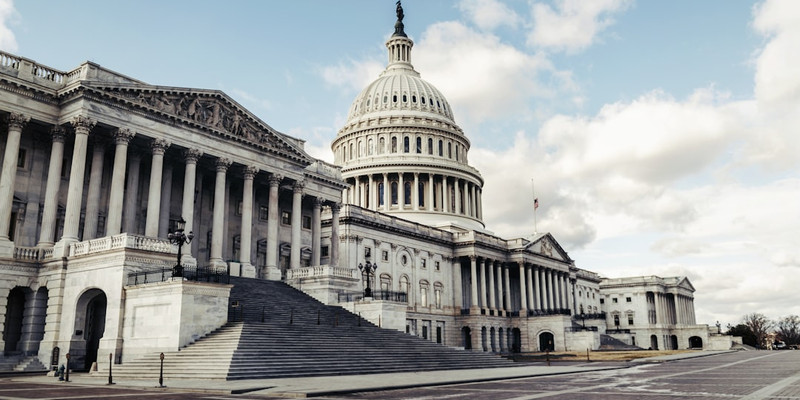
US Capitol Building by Tim Mossholder is licensed under Unsplash unsplash.com
Three Republican committee chairmen formally threatened to hold ActBlue in contempt of Congress on Monday, escalating a yearlong investigation into whether the Democratic fundraising platform failed to prevent fraudulent and potentially foreign political donations.
In a four-page letter addressed to ActBlue CEO Regina Wallace-Jones, the chairmen of three House committees accused the organization of improperly asserting privilege to withhold documents the panels say were required under congressional subpoenas. The letter described the organization's responses as "baseless privilege claims."
The threat represents the most significant escalation of the investigation since it began approximately one year a
go.
ActBlue processes small-dollar donations for Democratic candidates and committees at all levels of the ballot. The platform became a focal point of congressional scrutiny following allegations — first raised by Republican researchers and subsequently incorporated into a House investigation — that its donation processing systems failed to adequately verify donor identity, creating conditions under which fraudulent or foreign contributions could enter Democratic campaign accounts.
Republican investigators documented in 2024 that test donations submitted using fictitious names and, in some cases, foreign payment methods, were initially processed through the platform without triggering rejection. ActBlue disputed the significance of those tests, arguing that its fraud detection systems flagged unauthorized charges after the fact and that the tests did not reflect its actual screening capabilities under normal operating conditions.
ActBlue has maintained that its systems comply with federal election law and that it has cooperated appropriately with congressional investigators. The Federal Election Commission has not publicly taken enforcement action against the organization in connection with the House investigation.
Monday's letter changes the character of the congressional pressure. Rather than seeking additional information or scheduling hearings, the Republican chairmen formally accused ActBlue of withholding documents through privilege assertions that the letter argues have no legal basis. The letter sets a deadline for ActBlue to produce the subpoenaed records or face a referral for formal contempt proceedings.
A contempt of Congress determination requires a committee vote followed by a vote of the full House. Whether House leadership proceeds with that process depends in part on ActBlue's response to Monday's ultimatum.
Federal election law requires donors to certify that they are U.S. citizens or permanent resident aliens and that donations come from their own funds. The law does not impose affirmative obligations on fundraising platforms to independently verify those certifications beyond basic screening. Republican critics of ActBlue have argued that the absence of mandatory verification requirements created a systemic vulnerability in online political fundraising — and that ActBlue, as the dominant platform for Democratic small-dollar giving, had an obligation to implement stronger controls than the law required.
The three committees whose chairmen signed Monday's letter have jurisdiction over government operations, campaign finance oversight, and judiciary matters, respectively.
A source familiar with the investigation said the subpoenas cover internal records related to ActBlue's fraud detection protocols, its processes for verifying donor eligibility, and internal communications regarding compliance. ActBlue has not confirmed or denied the specific scope of the materials sought.
ActBlue's attorneys are expected to respond to the letter. The organization had not issued a public statement by Monday afternoon.
Next steps in the investigation are contingent on ActBlue's response. If the organization continues to resist production through privilege claims, House Republicans face a choice between pursuing formal contempt proceedings — a time-consuming process with uncertain outcomes — or accepting limited document production as a negotiated compromise. Republican investigators have signaled a preference for the former.
The contempt threat comes as House Republicans have escalated accountability actions across multiple fronts during the current Congress. The ActBlue investigation adds a private-sector political organization to an oversight agenda that has otherwise focused primarily on federal agencies and executive branch spending. Whether congressional subpoena authority can compel full production from a privately held organization with deep institutional ties to one political party is a question this proceeding may ultimately put before the courts.
